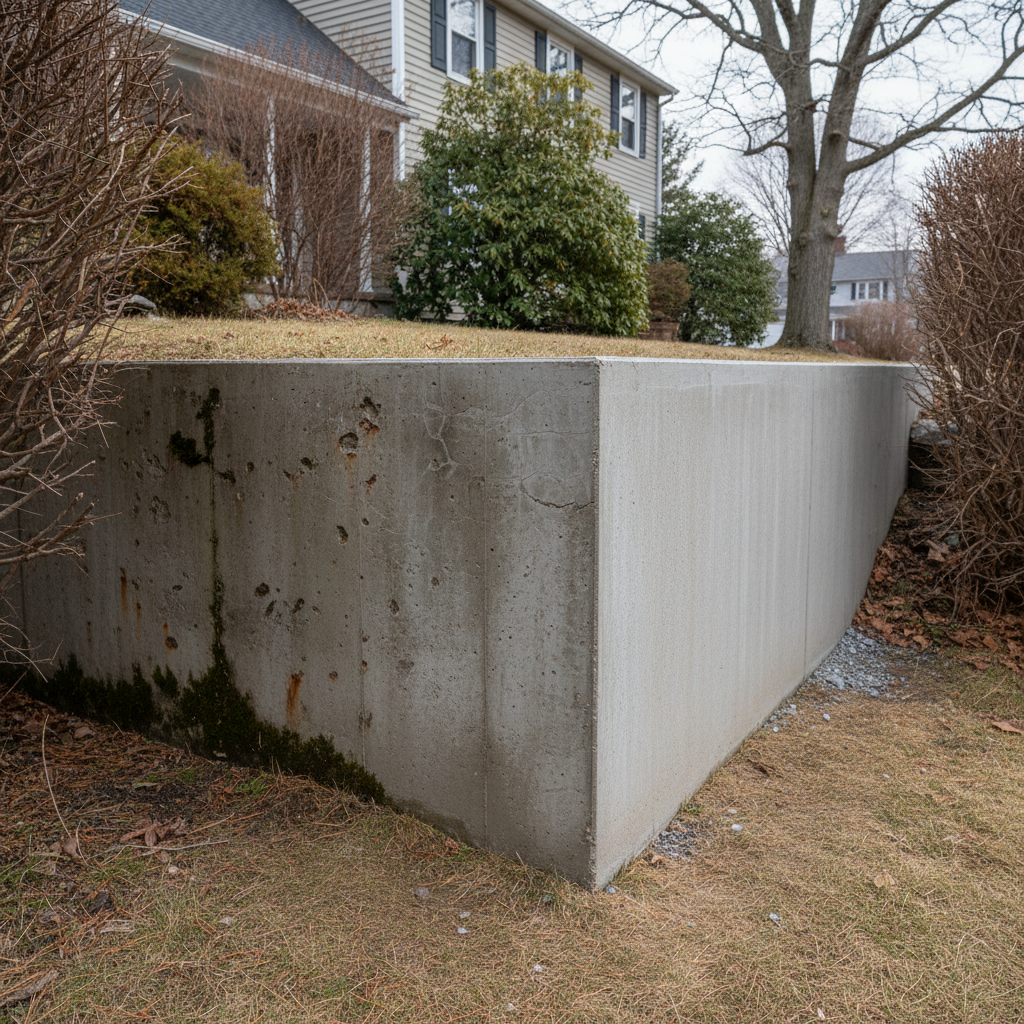
Alright, let's talk foundations. When you're building new or adding on, one of the biggest decisions you'll face is what kind of foundation you're going to put under your house. Most folks here in Worcester are looking at two main options: poured concrete or concrete blocks. Both get the job done, but they're definitely not the same. I've seen plenty of both over the years, and each has its pros and cons, especially with our New England weather and soil.
Poured Concrete Foundations: The Solid Choice
Poured concrete is exactly what it sounds like. We build forms, usually out of plywood or steel, and then pour ready-mix concrete directly into them. Once it cures, you've got one solid, monolithic wall. Think of it like a giant, seamless bathtub holding up your house.
The Good Stuff About Poured Concrete:
- Strength and Durability: This is where poured concrete really shines. Because it's one continuous piece, there are no joints or seams for water to seep through or for structural weaknesses to develop. It's incredibly strong and can handle a lot of pressure, which is a big plus when you consider the freeze-thaw cycles we get here in Worcester. That constant expansion and contraction of the ground can really stress a foundation, and poured concrete holds up better to that.
- Water Resistance: Fewer seams mean fewer places for water to get in. While no foundation is 100% waterproof without proper drainage and sealing, poured concrete offers a naturally tighter barrier against moisture. This is huge for basements, especially in areas like the lower parts of Tatnuck or near the Blackstone River where groundwater can be a real concern.
- Speed of Installation: Once the forms are set, pouring the concrete is usually a pretty quick process. The curing takes time, of course, but the actual pouring is fast.
The Not-So-Good Stuff:
- Cost: Generally, poured concrete foundations can be a bit more expensive upfront than block foundations. The specialized equipment for forming and pouring, plus the cost of the concrete itself, adds up.
- Repair Difficulty: If a crack does develop in a poured foundation, repairing it can sometimes be more involved. You're dealing with a solid mass, so patching or injecting can be trickier than replacing a single block.
Concrete Block Foundations: The Traditional Approach
Concrete block foundations, often called CMU (Concrete Masonry Unit) foundations, are built by laying individual concrete blocks, one by one, with mortar in between them. It's a bit like building with giant LEGOs.
The Good Stuff About Block Foundations:
- Cost-Effective: This is often the main draw. Block foundations can be less expensive to install than poured concrete, especially for smaller projects. The materials are generally cheaper, and the labor might be too, depending on the crew.
- Flexibility in Design: If you've got a really custom or complex foundation shape, blocks can sometimes offer more flexibility since they're laid by hand.
- Easier Repairs: If a block gets damaged or a section needs repair, it's often easier to remove and replace individual blocks than to fix a solid poured wall.
The Not-So-Good Stuff:
- Water Issues: This is the biggest drawback in my book, especially for our climate. Every single mortar joint is a potential entry point for water. Even with good waterproofing, those seams are just inherently weaker against hydrostatic pressure. I've seen countless block basements with moisture problems, even with good drainage systems in place.
- Strength: While strong, a block wall isn't as structurally sound as a monolithic poured wall. The strength relies on the integrity of all those individual blocks and mortar joints. It's more susceptible to movement and cracking from soil pressure over time.
- Insulation: Block walls are hollow, which means they can be a bit harder to insulate effectively without extra steps.
My Recommendation for Worcester Homeowners
Look, both types of foundations can work, and a well-built foundation of either type will serve you. But if you're asking me, for a typical residential build or addition here in Worcester, I'm going to lean towards a poured concrete foundation every single time.
Why? It comes down to durability and water resistance. Our winters are harsh, the ground freezes deep, and spring thaws bring a lot of moisture. Poured concrete's seamless strength just handles those conditions better. You'll have fewer headaches with leaks and structural issues down the road. While the upfront cost might be a little higher, the long-term peace of mind and reduced risk of expensive water mitigation or structural repairs make it a worthwhile investment.
We at Worcester Concrete Precision specialize in both, and we've poured hundreds of foundations all over the city, from the hills of Burncoat to the shores of Lake Quinsigamond. But when I'm advising folks, especially for a new build where you want maximum longevity and minimal fuss, poured concrete is the way to go. It's a stronger, drier, and ultimately more reliable foundation for your home in this part of Massachusetts.